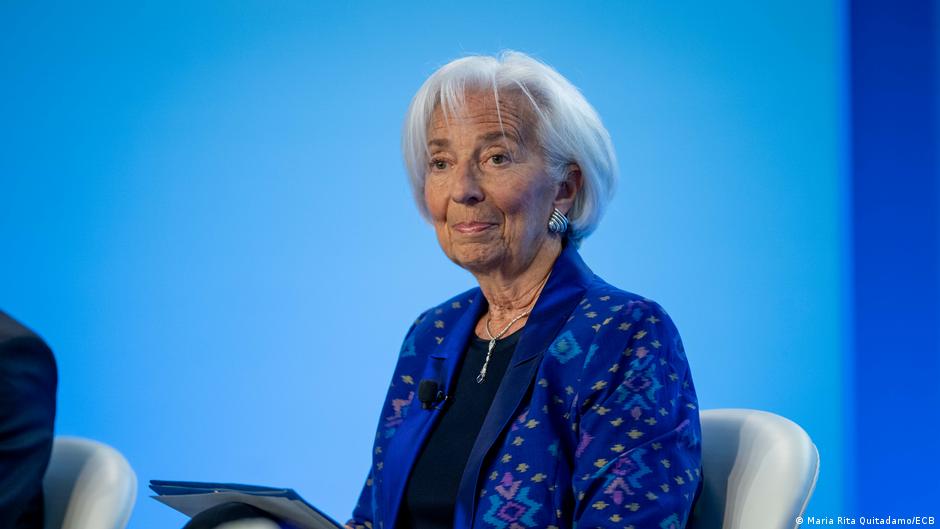
Christine Lagarde will vacate the presidency of the European Central Bank in February 2027, cutting her term short by about eight months, according to DW.com. The Frankfurt-based institution confirmed the departure, DW.com reported on Thursday.
Lagarde's mandate had been scheduled to run longer, and her early exit opens the question of who will lead the eurozone's central bank next.
Why it matters
The ECB presidency is one of the most consequential posts in European economic policymaking. The officeholder sets the direction of interest rate policy for the countries that use the euro, shapes the bank's response to inflation and financial stress, and represents the eurozone in international forums.
A change at the top, arriving earlier than the calendar required, means the succession process starts sooner than markets and governments had planned for. Leadership transitions at central banks are watched closely because they can signal shifts in how aggressively inflation is fought or how far the institution is willing to go in a crisis.
What DW.com reported
DW.com reported that Lagarde will leave the post in February 2027, roughly eight months ahead of the end of her mandate, and that the announcement came from the ECB itself. The bank is headquartered in Frankfurt.
DW.com did not, in the material available, give a reason for the early departure, and no successor was named in its reporting.
The vacancy at the top
The ECB presidency is a political appointment as much as a technocratic one. Eurozone governments, through the European Council, have a say in who takes the role, and the choice is typically the product of bargaining among member states balancing geography, political affiliation and economic philosophy.
Lagarde's departure creates an opening at a moment when the bank's decisions on rates and its broader policy stance remain central to the outlook for households, businesses and sovereign borrowers across the currency bloc. The person who fills the seat will inherit both the institution's existing policy path and the debates that surround it.
What to watch
The immediate focus will be on the process of choosing a replacement and on any signals from eurozone capitals about preferred candidates. Until a successor is confirmed, Lagarde remains in office, and the ECB's governing council continues to set policy as before.
Further reporting from DW.com and other outlets may clarify the circumstances of the early exit and the names in contention for the job.